- This event has passed.
Emory Herbarium Tour – Members Only
(SOLD OUT BUT YOU CAN JOIN THE WAITLIST)
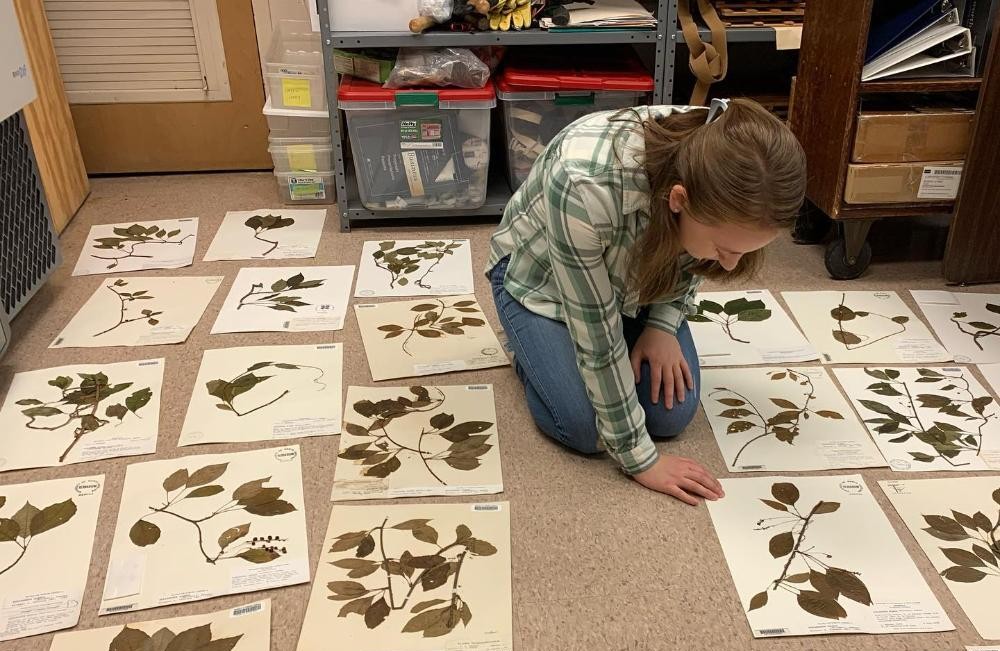
Join the Intown Atlanta Chapter for a tour of the Emory University Herbarium led by herbarium Curator, Dr. Tharanga Samarakoon. The herbarium is home to more than 25,000 plant specimens, dating back to the late 1800s. Its holdings are diverse, particularly rich in plants from the Southeastern United States, fungi, and lichens, and is safeguarding the collections inherited from the Southern Appalachian Botanical Society. In addition to the tour, Dr. Samarakoon will lead attendees in a demonstration of making an herbarium specimen. Following the herbarium tour, attendees are invited for an optional group walk at the Lullwater Preserve’s President’s Loop trail.
Proceeds from ticket sales will be donated to the herbarium to support their work. If the ticket cost is prohibitive, there is also the option to select a free ticket. We understand things are tough for many people right now.
You must login to your GNPS account to register for this members-only event.
More about the Emory University Herbarium/GEO:
Initially, Emory’s herbarium specimens were collected and prepared to document mostly local studies and were subsequently used for on-campus research and teaching. In 2012, a new revitalization effort was launched under the direction of Dr. Cassandra Quave with the aim of supporting Emory University’s active research community, though now with a primary focus on establishing and supporting a Collection in Medical Botany. After digitizing its collection and publishing data in the SERNEC portal, GEO became part of the global network of herbaria. The Emory Herbarium is a dynamic place, having hosted Emory students and researchers for medicinal, taxonomical, and climatic research. It also sends specimen loans to researchers elsewhere and requests loans from various places.
Today, the Emory Herbarium participates in four consortia (Plants, Bryophytes, Lichen, and Fungi) that support specimen digitization (imaging and databasing), making specimen information globally available. Specimens serve as both a source and documentation for molecular research projects that would have been unimaginable to our early botanists.