Plant Of The Year
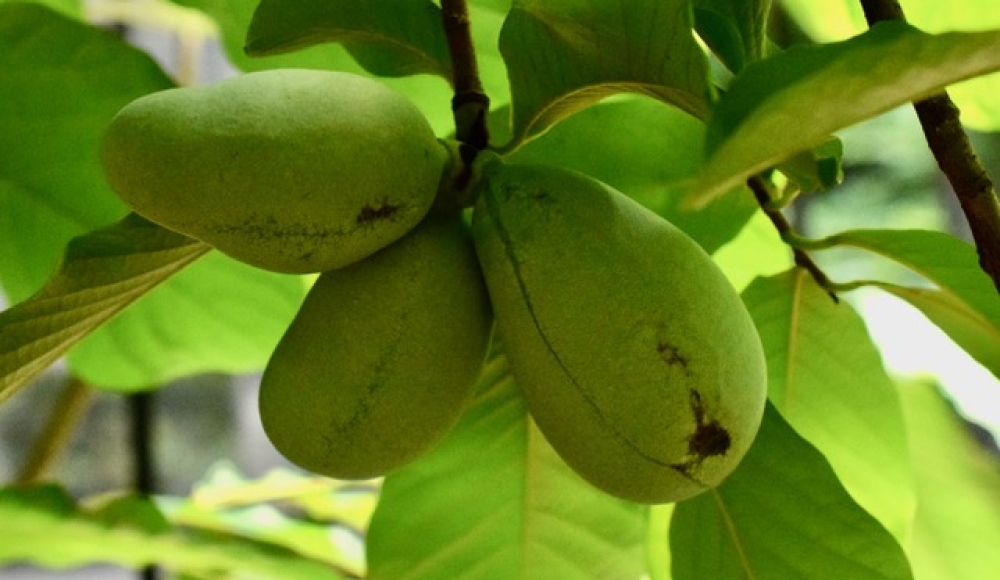


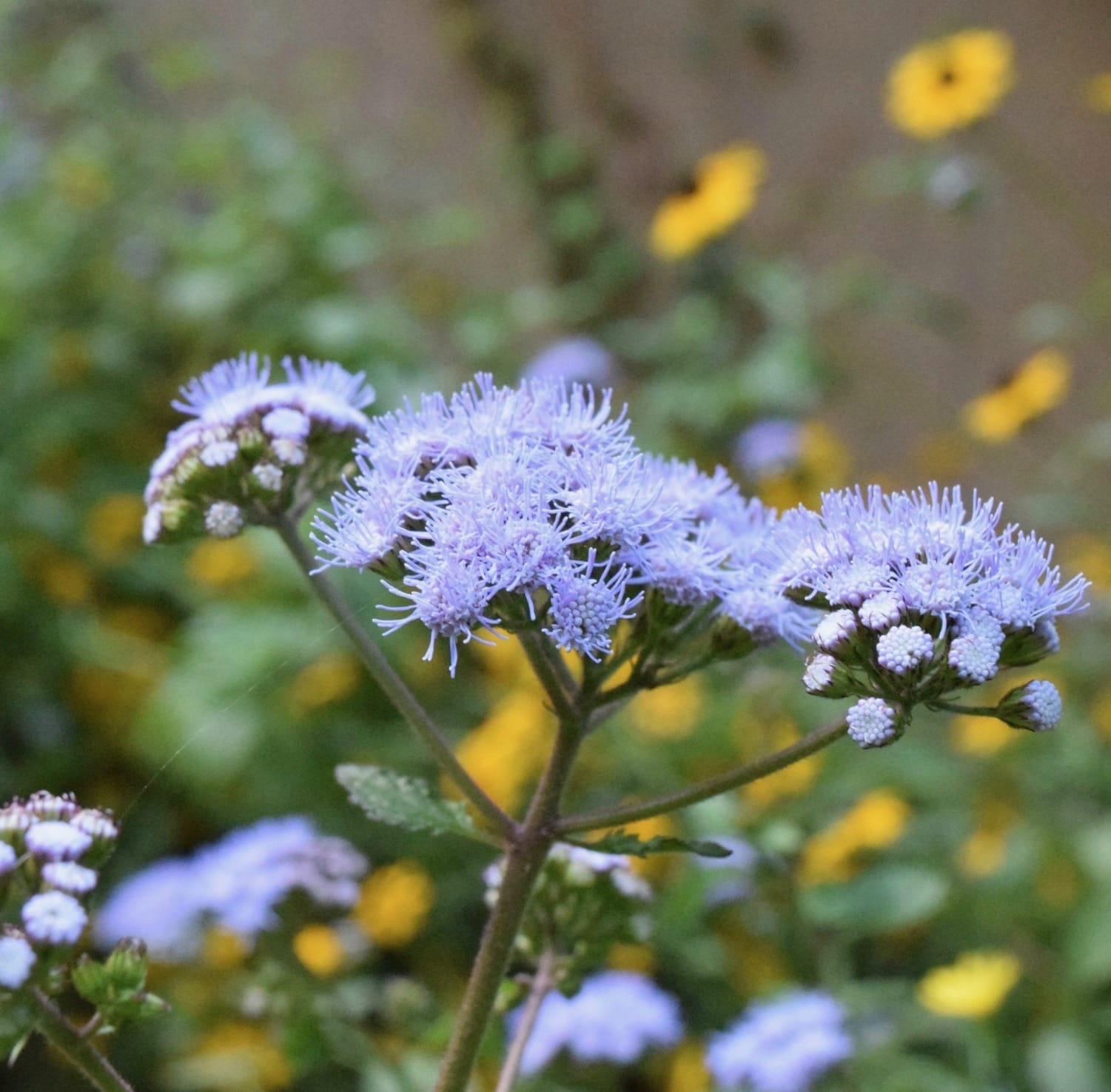
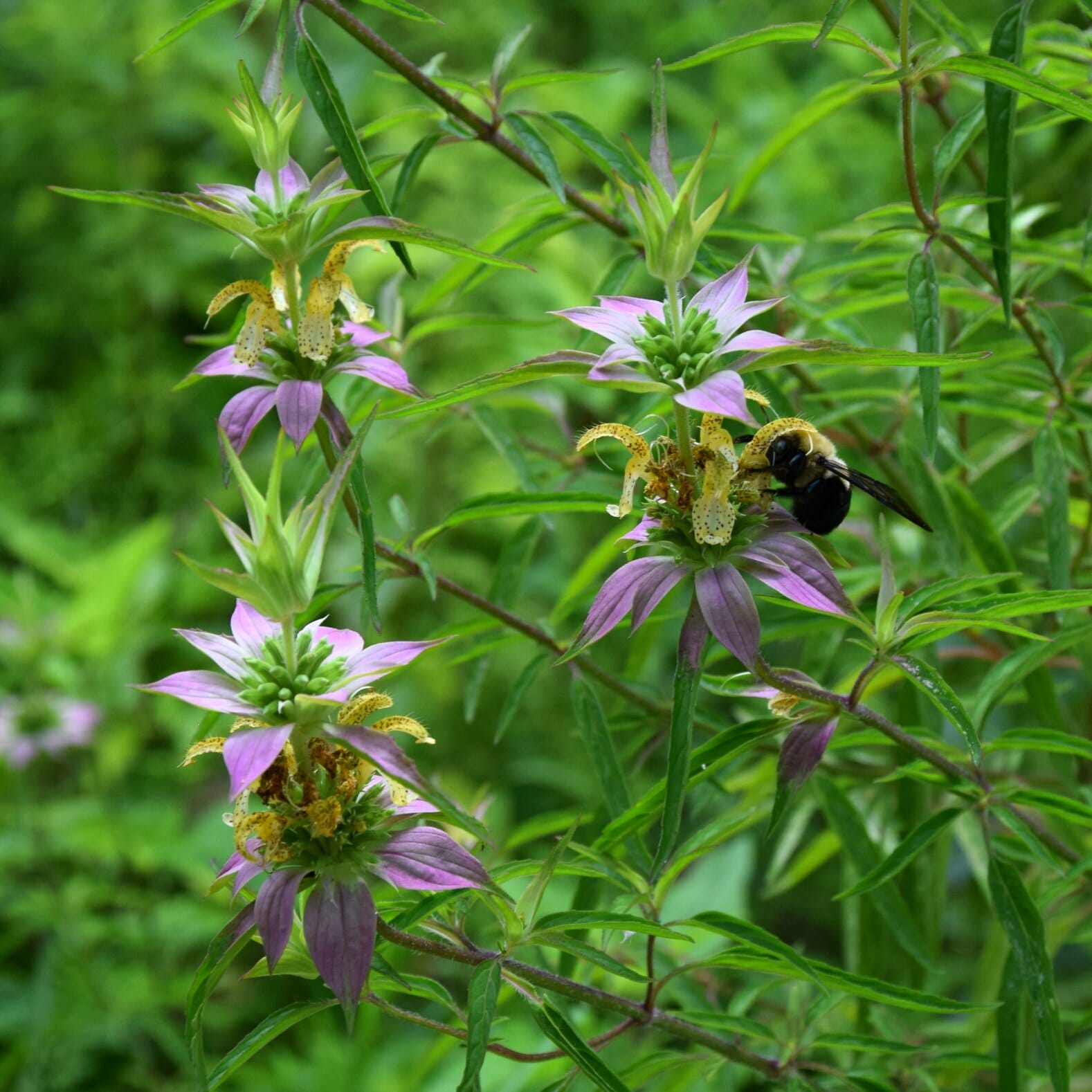
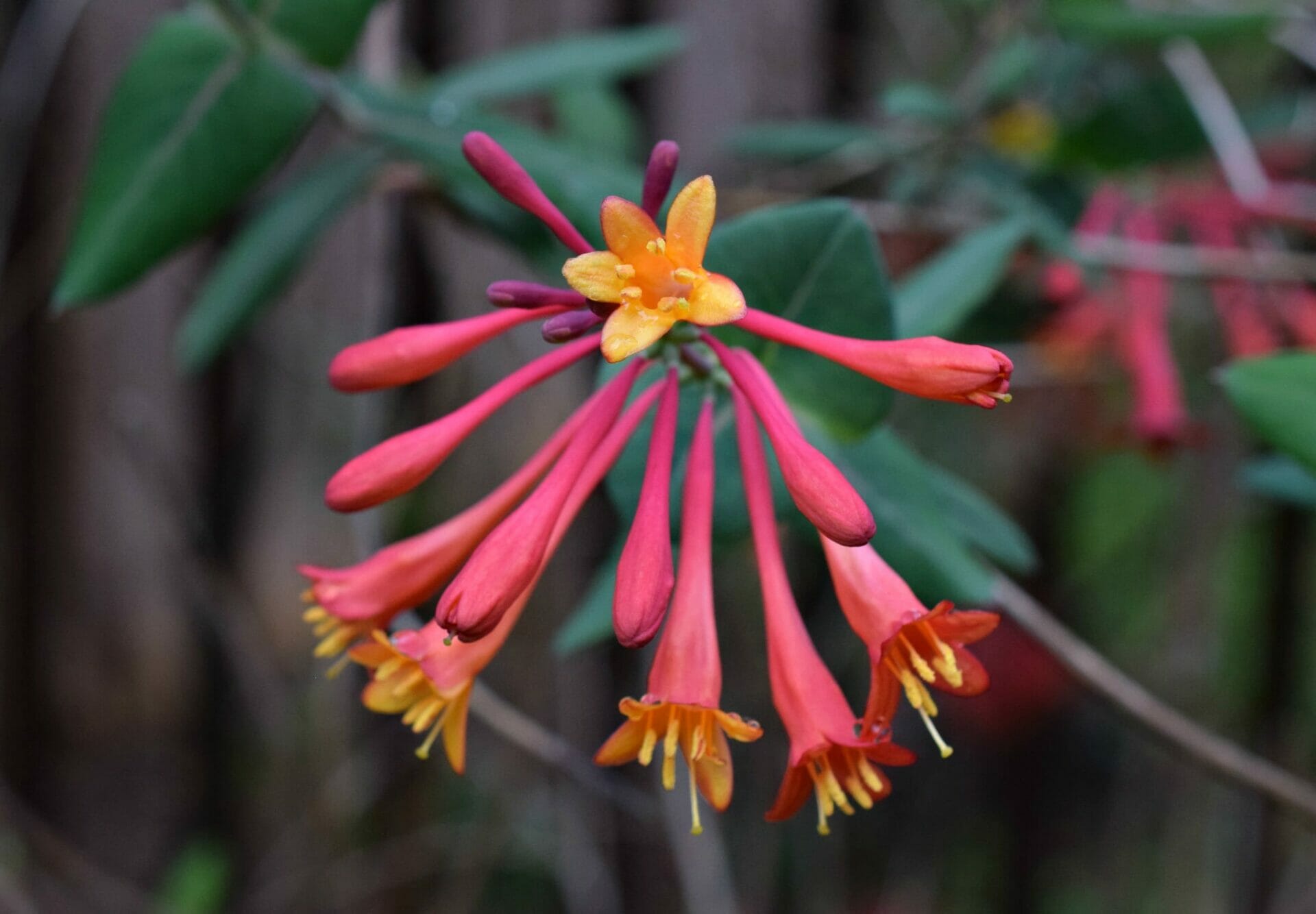
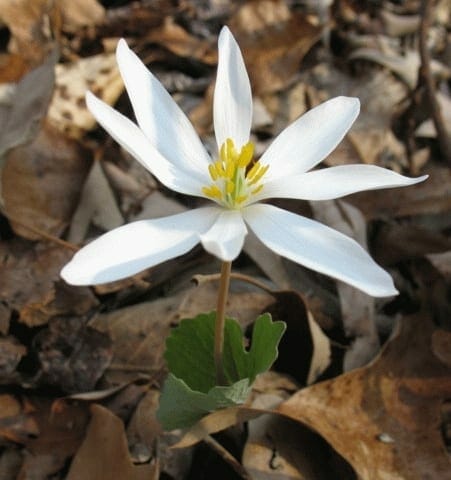
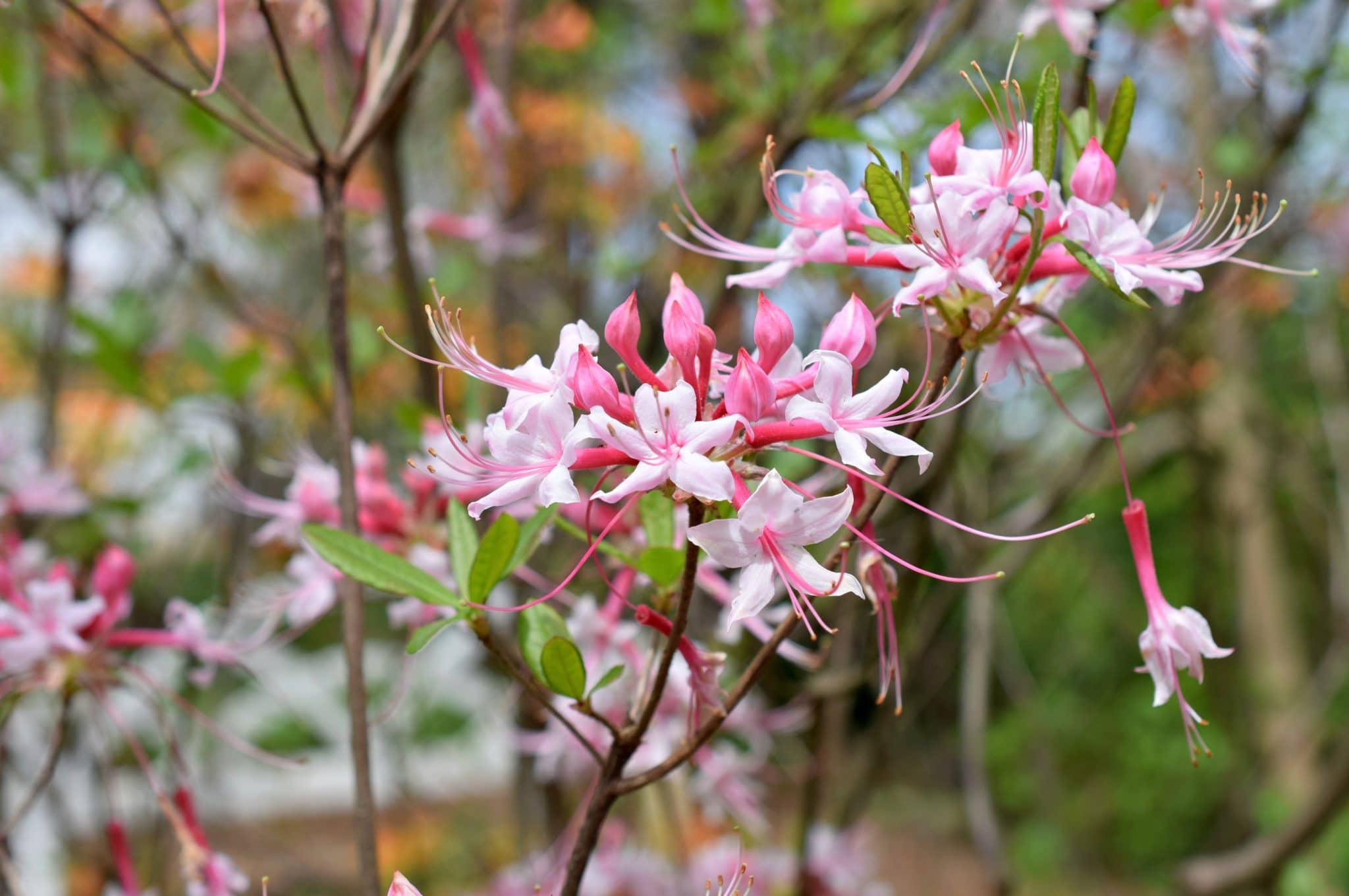
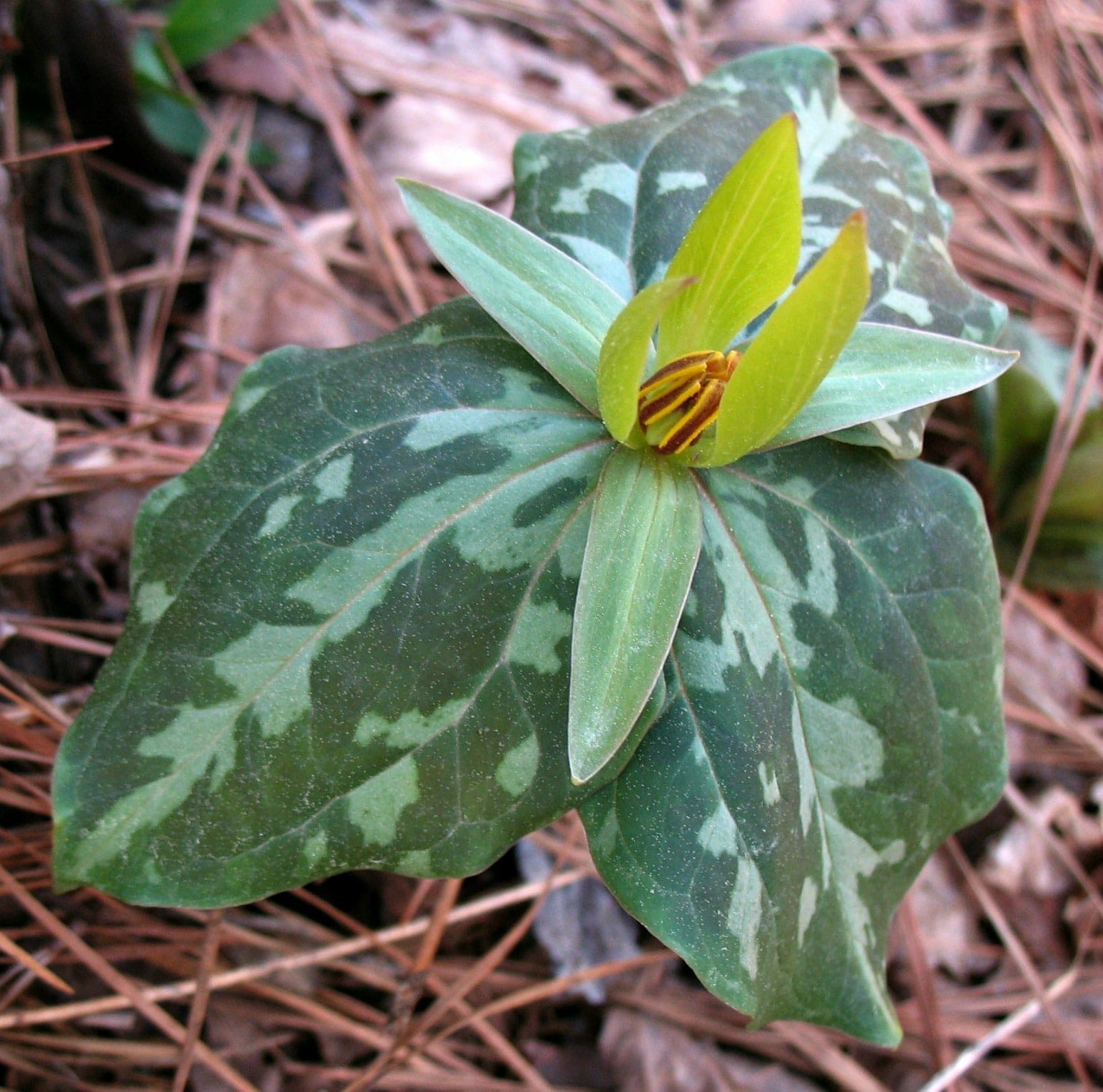
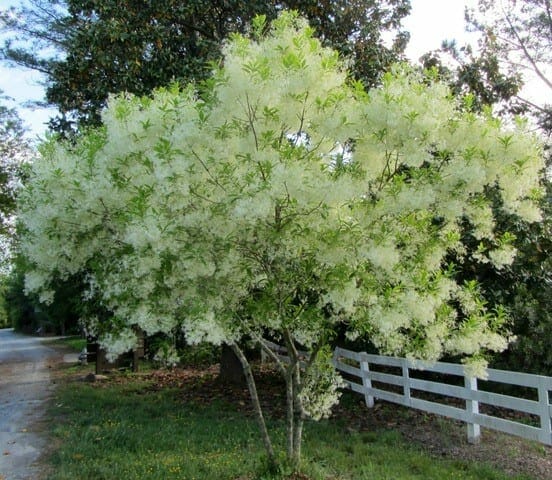
GNPS initiated its Plant of the Year program in 2000. The purpose of this program is to recognize native plants that are underutilized in commercial and residential landscapes or which are vital components of Georgia’s ecology. We are looking beyond beauty, even though this is what often draws us to a special native plant in the first place.
Every fall, GNPS members nominate a plant they feel is deserving of being Plant of the Year for the upcoming year. Besides being native to the state of Georgia and underutilized in landscaping, a good candidate for Plant of the Year will not demand growing conditions that are too difficult for most Georgia gardeners to achieve. A slate of candidates are presented to the GNPS membership to vote on and the winner is showcased in the educational content, plant sales and on a custom-designed shirt.
Plant of The Year
2018 Plant of the Year Winner!
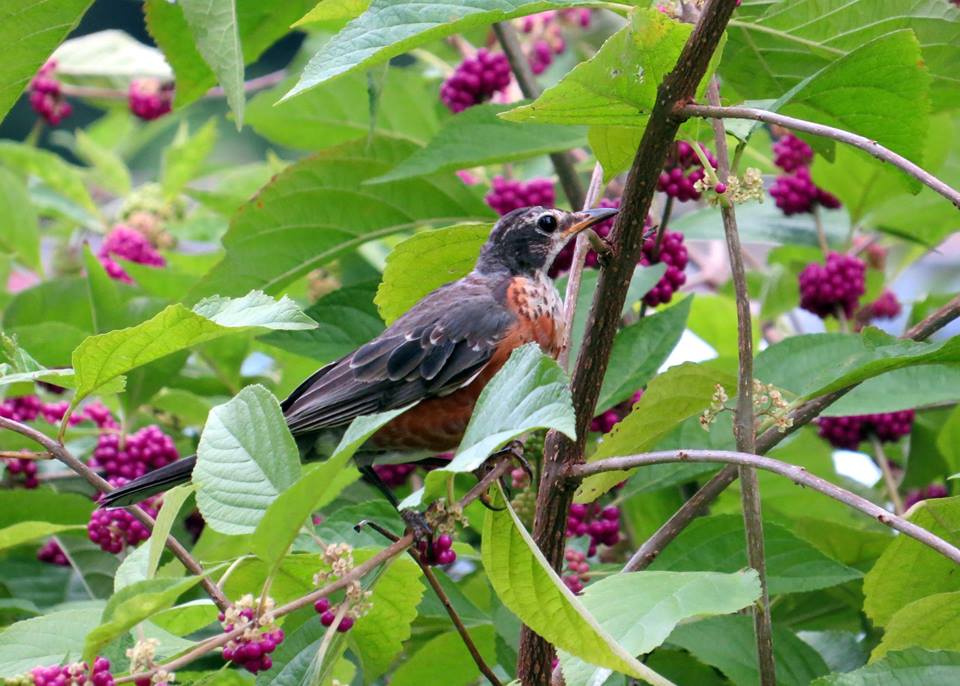
GNPS is pleased to announce that the Plant of the Year for 2018 is American beautyberry (Callicarpa americana).
2017 Plant Of The Year | Trillium cuneatum
Trilliums are special to Georgia because our state is host to at least 22 species, more than any other state in the US. Thus, it seems particularly appropriate to name a member of this genus as the Georgia Native Plant Society’s 2017 Plant of the Year....
2016 Plant Of The Year | Spigelia marilandica
Georgia Native Plant Society’s members have chosen Indian pink (Spigelia marilandica) as our Plant of the Year for 2016. A hummingbird favorite, this vibrant perennial is native to most of the Southeastern US.
2015 Plant Of The Year | Symphyotrichum georgianum
We are proud to announce that Georgia Native Plant Society’s Plant of the Year for 2015 is Georgia aster! A sun loving plant, Georgia aster was once widespread across southeastern meadows and prairies, but is rare...
2014 Plant Of The Year | Aesculus pavia
GNPS members have chosen red buckeye (Aesculus pavia) as the Plant of the Year for 2014. Red buckeye occurs naturally in Georgia's Coastal Plain and Lower Piedmont regions, but has been successfully introduced to most areas of our...