Community-Supported Propagation
Championing the stewardship and conservation of Georgia’s native plants by growing them!
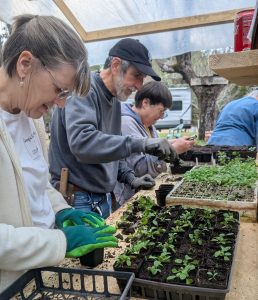
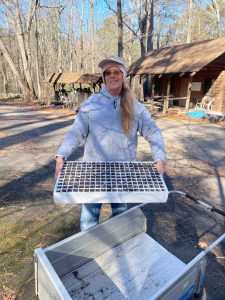
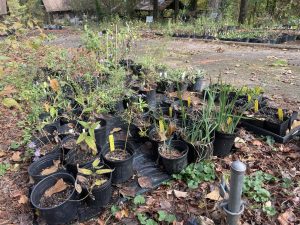
Georgia Native Plant Society’s Community-Supported Propagation program grows ecoregion-appropriate and affordable native plants while also providing educational and volunteer opportunities. This largely volunteer effort produces plants for a variety of educational and conservation initiatives. Volunteers learn propagation techniques, plant identification and restoration strategies while enjoying the company of like-minded peers and performing a critical and priceless community service. Plants grown are used for:
- Habitat restoration
- Pollinator gardens and other demonstration gardens
- Plant sales and nursery stock, and
- Species conservation projects
For many years, propagation efforts focused on growing a wide variety of native plant species for metro Atlanta-area native plant sales catering to home gardeners. With the opening of many new native plant nurseries and the expansion of GNPS to a statewide network, propagation efforts have shifted focus in a more conservation-minded direction to grow piedmont and upper coastal plain ecotype species.
GNPS operates two Community-Supported Propagation sites:
- Stone Mountain Propagation Project in Stone Mountain Park (Dekalb County)
- Boy Scout Road Nursery in Byron (Peach County)
Several of the GNPS Chapters propagate plants as well. Contact your local Chapter to learn more about their plant propagation and plant sale programs.
Community-Supported Propagation Rack Card
What is plant propagation?
Plant propagation is the process of creating new plants from a variety of sources including seeds, cuttings, bulbs and other plants. With permission, seed is collected throughout year from stock plants furnished by the GNPS rescue program, member and partner donations and planned field collection.
There are many steps that make up the propagation process. The first step is making sure fertile, ripe seed is collected, cleaned and stored to maintain viability. Some seeds need a rest period after collecting while others need to be collected in their green stage before wildlife finds them. The collected seed is stored in coin envelopes marked with date, species and location found. Some seeds go into a refrigerator for stratification over the winter months and others might be sown and set into a greenhouse for the winter. As the new year warms up, we sow different seeds in a soilless mix, moisten and protect from the environment. The growing plants receive our care and lots of watering throughout a majority of the year through our weekly volunteer workdays.